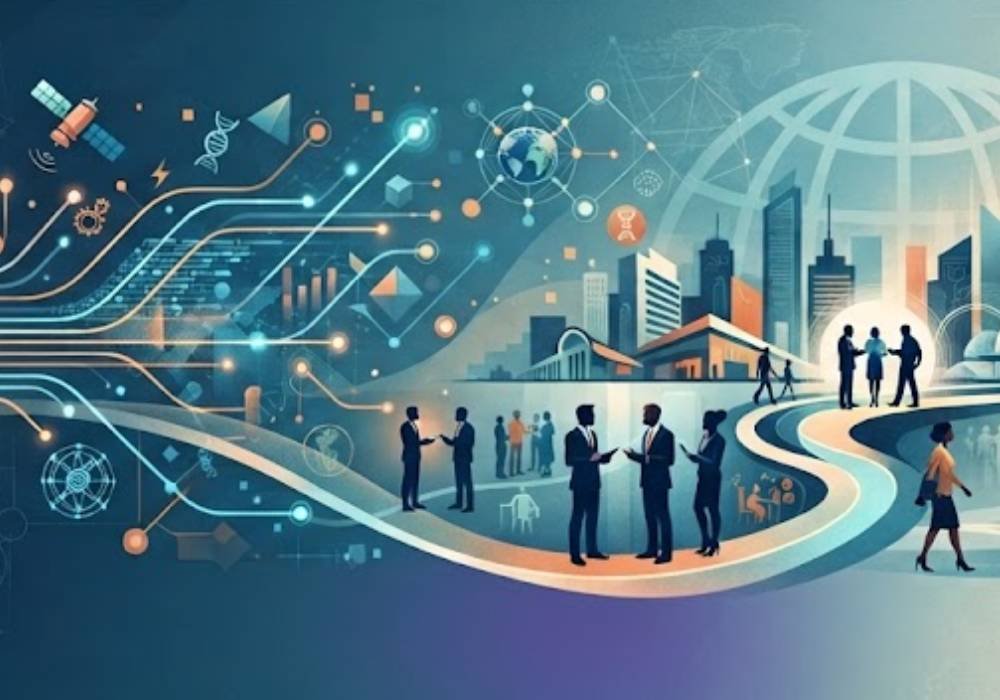
Understanding Knowledge in a Changing World
Knowledge plays a vital role in shaping individuals, communities, and civilizations. It influences how we understand the world, form opinions, make decisions, and respond to social challenges. In the modern era, knowledge is no longer limited to books and classrooms. Technology, digital media, research, and global communication have made information more accessible than ever.
Knowledge and Society
Knowledge and society are closely connected. Culture, education, politics, economics, and social values influence how knowledge is created and shared. At the same time, new knowledge can transform society by challenging traditional ideas, encouraging innovation, and creating new opportunities.
Contemporary Thought
Contemporary thought explores the ideas and debates that shape modern life. Artificial intelligence, globalization, climate change, social equality, digital privacy, democracy, education, and cultural transformation are some of the major subjects influencing today’s world. Understanding these issues requires curiosity, critical thinking, and an openness to different perspectives.
The Digital Age and Information
The internet has made information available almost instantly. However, the rapid spread of information has also created challenges such as misinformation, fake news, online manipulation, and information overload. In this environment, it is important to verify information, question assumptions, and distinguish reliable knowledge from misleading content.
The Importance of Critical Thinking
Modern society needs individuals who can think independently and evaluate ideas carefully. Critical thinking helps people understand complex issues, consider different viewpoints, and make informed decisions. It also encourages meaningful discussion rather than accepting information without questioning it.
Building an Informed Society
A progressive society depends on education, research, dialogue, and the free exchange of ideas. By understanding the relationship between knowledge, society, and contemporary thought, we can better understand the changes around us and participate responsibly in shaping the future.